Our Planet, Our Power – April 2026

Our Planet, Our Power - April 2026 Specials

In this issue: Our April Enewsletter celebrates Earth Day and its 2026 globe theme “Our Power, Our Planet.” This slogan reflects this special selection of globes, maps, and natural history prints.

Contact us for further assistance and gift selection ideas relating to any profession or pastime. Availability of items below subject to prior sale. You can also view them on our website.

Each item is also specially curated for perfect gift giving for the early Holiday shopper.

Contact us for further assistance and gift selection ideas.
As featured in our latest eNewsletters — subscribe now.
Availability of items below subject to prior sale.

Sale prices in effect through May 20, 2026.

GLOBAL REACH
POWER TO THE PEOPLE

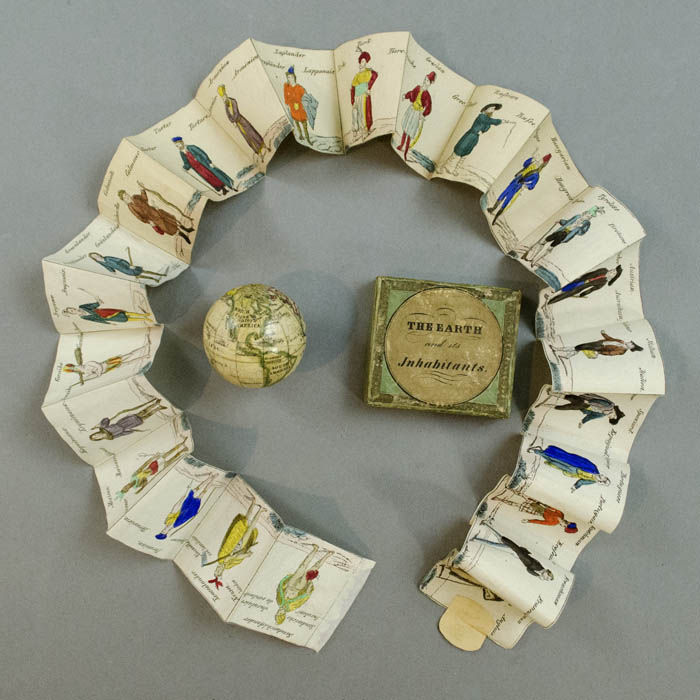
In The Earth and its Inhabitants, the peoples of the world accompany a miniature globe and are connected as a leporello — their printed images in a single strip, folded back-and-forth like an accordion. Produced in Germany, the world globe is in English for the export market. Regularly $7,500, reduced for Earth Day to $6,750. More information.

CARRYING THE WEIGHT OF THE WORLD

In ancient Greek mythology carrying the Earth represented taking on the burdens of the world. A fine figural example is this 8-inch terrestrial raised relief physical globe dated 1921, held aloft by Hercules, who wears the pelt of the defeated Nemean lion. The globe was produced by Paul Rath of Leipzig, Germany with place names in English. Regularly $6,800, sale price $5,500. More information.

ON TOP OF THE WORLD WITH TOPONOMY

Because antique globes often feature outdated place names and borders, they serve as a metaphor reminding us that our current world is just a snapshot in time. On this Rand McNally 12-inch globe, Istanbul is shown with the toponymic notation “Constantinople” in parentheses, indicating a date soon after 1930 when the name change occurred. For more superseded geographical names one can consult the atlas book contained in the wooden globe stand. Regularly $1,650, in this enews $1,400. Priced at $900, discounted to $800. More information.

THE LITTLE THINGS THAT RUN THE WORLD

Biodiversity pioneer Edward O. Wilson famously coined this phrase to describe insects and other invertebrates, highlighting that although small, they anchor natural systems.

STIR UP A HORNET'S NEST

Plate 6 of E.A. Séguy's famous 1924 portfolio Insectes [Insects] features illustrations of wasps and other similar winged insects. In keeping with the style of the first 16 plates in the series, it showcases five enlarged specimens arranged in a vibrant composition designed to highlight their natural patterns, colors, and the intricate details of their wings and veins. On sale for $1,200. Please inquire as to other Seguy insects and butterflies we have for sale as well. More information.

TURN AND FACE THE STRANGE CH-CH-CHANGES

The metamorphosis from caterpillar to moth or butterfly are explored in prints from The Aurelian by Moses Harris, a highly regarded late 18th century Enlightenment Era natural history work on varieties found in England. Drawn after live specimens, each print depicts their life cycle stages with plants on which they feed. They are displayed in elaborate gold leaf frames with custom foliate corners. Regularly $3,600, the set of four; sale price $3,200. More information.

COME RAIN OR SHINE
YOU'VE GOT MAELSTROM

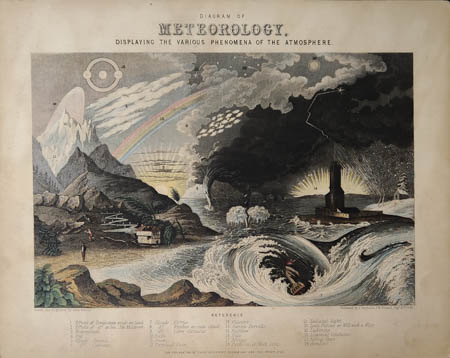
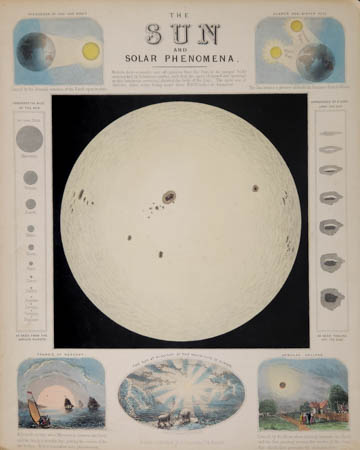
The powerful swirling currents of a maelstrom are just one of many weather-related phenomena combined into a single scene In James Reynolds'  Diagram of Meteorology, London 1846 (above). Though based in science, this illustration prioritizes the drama and sublime power of nature. Another visually compelling Reynolds print shows The Sun and Solar Phenomena (left). Each now $375. More information.
SOLAR POWER

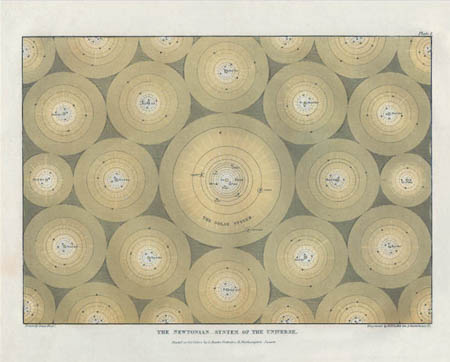
A different representation of the sun from the same period is Isaac Frost’s Plate 1, The Newtonian System of the Universe. In this diagram the universe is shown as a series of independent solar systems of various sizes. For each, a central bright yellow sun emanates white and yellow rays, and is surrounded by concentric circles representing the orbits of planets. This print is one of a series of six astronomical engravings based on beliefs associated with a Victorian sect known as the Muggletonians, who believed that Newton was wrong and the Earth is the center of the universe. Despite the pseudoscientific content, these prints are admired today for their luminousity, produced by an innovative oil color technique. $375 as a single print. The set of six from this series is on sale for $2,000. More information.

THE HORSE RULES THE EARTH, THE EAGLE RULES THE SKY
HORSE POWER

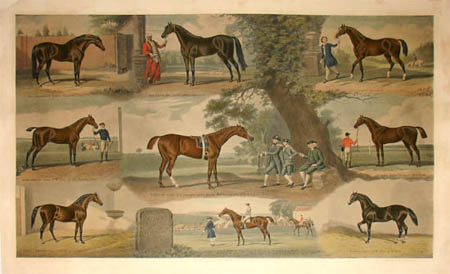
It has been said that power requires both a grounded, energetic force (the horse) and a high, spiritual perspective (the eagle). Powerful thoroughbred stallions are illustrated in Fathers of the Turf 1683-1822, a large colorful print incorporating nine equine portraits. At the center is the exceptional racehorse Eclipse. Regularly $1,800; for enews subscribers $1,575. More information.
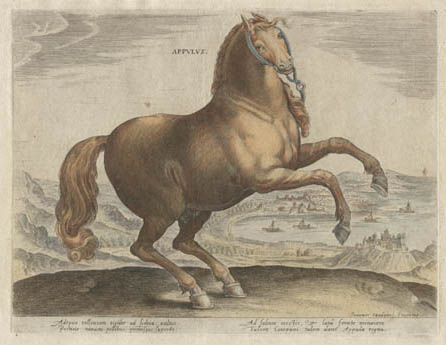
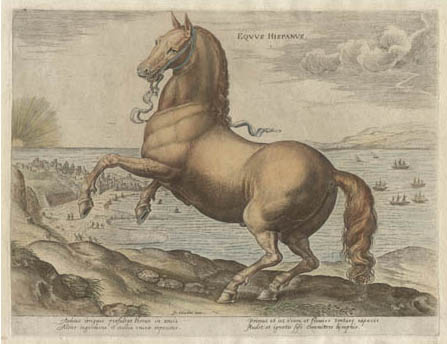
In a pair of Old Master horse portraits, an Apulian horse and a Spanish horse are among prize breeds from the stables of John of Austria (1547-1578), son of Emperor Charles V. They were engraved after works by Flemish painter and draftsman Jan van der Straet, known as Stradanus (1523-1605). Regularly $1,100, the pair, sale price $950. More information.
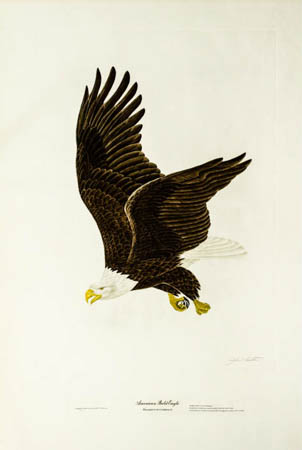
The American Bald Eagle in flight makes a striking silhouette, with wings overhead, claws curled, and tail feathers spread. This aquatint was produced by the prolific ornithological artist John Ruthven to commemorate the United States Bicentennial in 1976. Like many of Ruthven’s bird paintings, it presents a species that has either disappeared or been threatened with extinction by human activity. Thanks to conservation efforts, the bald eagle population has made a dramatic recovery — a positive note on which to conclude our Earth Day enews. Regularly $675; sale price $575. More information.
Stepping Back in Time – March 2026

As featured in a past eNewsletter — subscribe now.
Availability of items below subject to prior sale.

Stepping Back in Time March 2026 Specials

In this issue: In this issue, we step back in time with a fantastic selection of antiques and period works on paper, some of which are literally used to tell time. Bring them into your home to enrich every minute of your day, well into the future.

TURN BACK THE HANDS OF TIME

DOWN TO EARTH

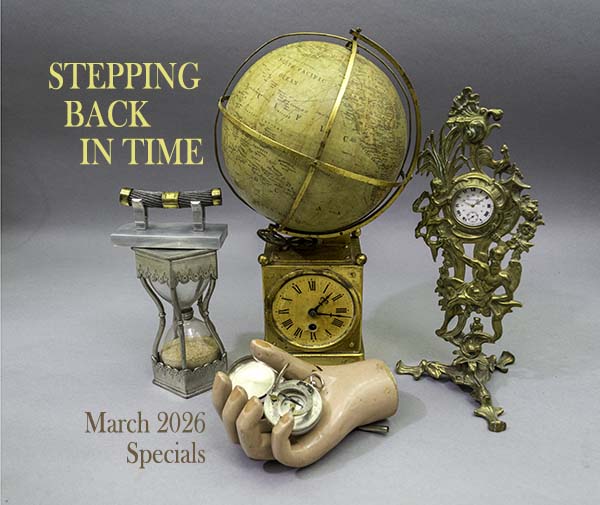
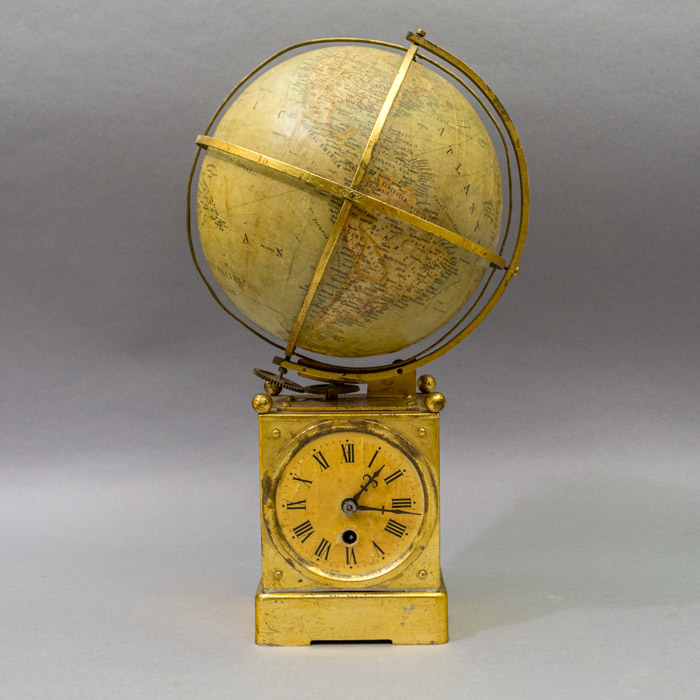
Globes naturally tell time based on the 24-hour rotation of the Earth each day. In this globe clock (European for the American Market, c. 1900), the terrestrial globe is mounted on top of a rectangular gilt metal clock case. The inner clockworks turn the globe once a day as they record time on the clock face. Local time for any place in the world can be determined with reference to the equatorial hour ring that encircles the globe. More information.

VISUALLY STRIKING

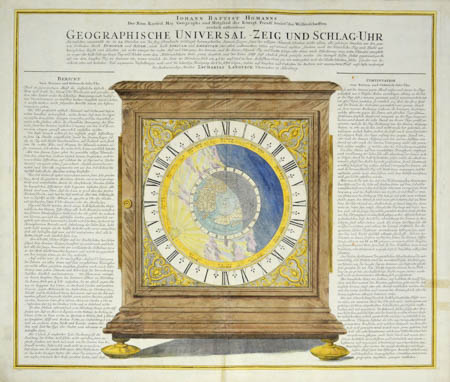
Johann Baptist Homann's Newly Created Universal Geographical Striking Clock Nuremberg is an antique, hand-colored engraving. The clock was designed by the “deservedly renowned” clockmaker Zacharias Landteck to show the time in different parts of the world. At the center of the dial is a polar projection of the northern hemisphere according to the geography of the day. California is shown as an island, as is typical for maps from the first half of the 18th century. More information.

WATCH IT!

Our elaborate cast brass rococo revival watch hutch (stand), 19th century, will make an excellent display for your prized family heirloom pocket watch. The decorative piece incorporates four symbolic figures in an elaborate over-the-top rococo design: A rooster represents morning and the rising sun, and an owl represents night as its nocturnal counterpart. A cherub represents the beginning of life and the guardian of hours, and its counterpart father time represents the end — harvest or death. It is shown above with a “Chronometre” Swiss-made pocket watch, sold separately. More information.

SINE SOLE SILEO — "WITHOUT THE SUN, I FALL SILENT"

Our equinoctial sundial—German for the English market, 19th century—is housed in a hinged, circular “hunter's” case with a loop at the outer top for attaching to a watch chain, overall resembling a pocket watch. This intriguing scientific instrument is designed to read the correct solar time during daylight hours regardless of the user's location, provided that the latitude is known. Historically, portable sundials of this type were essential tools for merchants, navigators, and wealthy gentlemen during the 18th and 19th centuries. More information.

ON THE OTHER HAND

ur mechanical medical split-hook prosthetic flesh-tone hand features a moveable thumb that is voluntarily triggered open or closed by a cord cable. It is engineered in the manner of the famous Hüfner Hand, developed in Germany in the early 20th century, and subsequently manufactured in the second quarter of the 20th century by prominent companies such as the Dorrance Artificial Limb Company. A custom display stand can be designed at an additional cost. More information.

WE HAVE ALL THE TIME IN THE WORLD

LIKE SANDS THROUGH THE HOURGLASS, SO ARE THE DAYS OF OUR LIVES

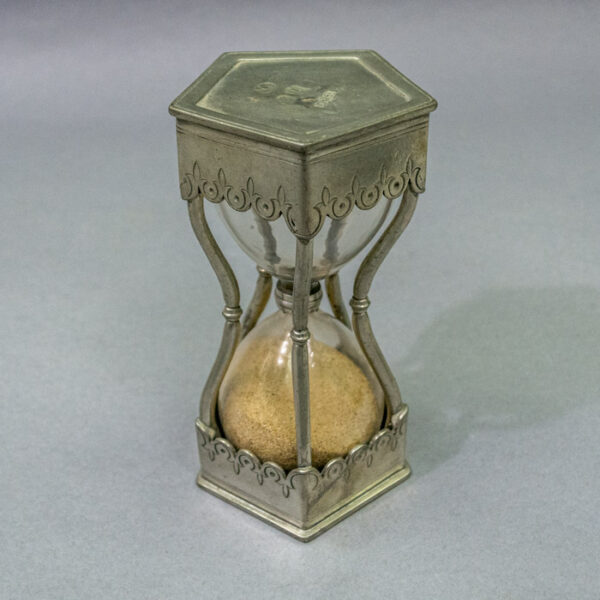
Pewter hourglass—a physical time-keeping instrument of traditional form—features pentagonal ends with incised decoration and makers' hallmarks. Also known as sandglasses, these were critical maritime navigation tools used to measure time intervals for tracking a ship's speed, defining duty shifts, and calculating distance traveled via dead reckoning, long before the advent of reliable mechanical clocks. More information.

TWO WEEKS TO TWO MINUTES

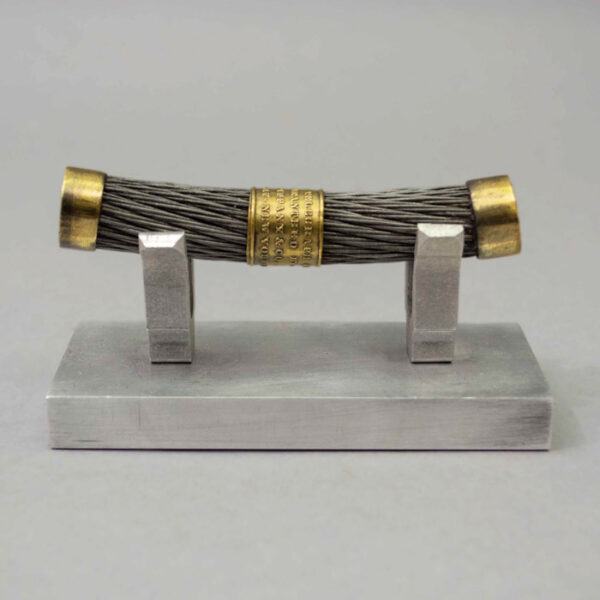
This slogan captured how the first transatlantic telegraph cable collapsed the amount of time for a message to travel across the Atlantic, reducing it from the weeks it took a ship to sail to just minutes for a telegraph signal. We offer a 4-inch section of the cable as successfully laid between Ireland and Newfoundland in 1858. It operated for a short period of time but broke after a few weeks. Cyrus Field, the visionary financier and promoter who spearheaded the ambitious, years-long effort sold remnants of the 1858 cable to Tiffany & Co., who in turn made them into 4-inch souvenirs. Tiffany added a brass label with their name as seller, and their guarantee of authenticity. Stand sold separately. More information.

NONSTOP IN RECORD TIME

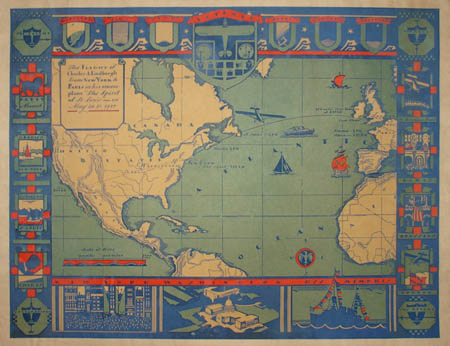
Charles Lindbergh's historic, epic 1926 nonstop solo transatlantic flight in “The Spirit of St. Louis” from New York to Paris took 33 hours and 30 minutes. This historic milestone is illustrated in a rare Art Deco pictorial map by Amy Drevenstedt. The upper border illustrates the elements he braved: “Distance, Fog, Snow, Sleet, Darkness and Solitude." More information.

YOU'LL ARRIVE IN NO TIME

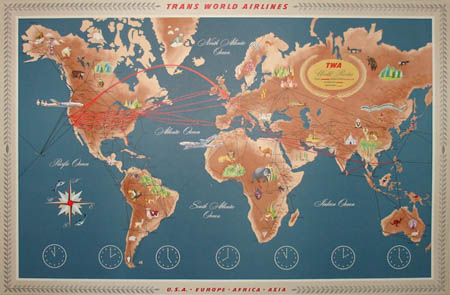
This 1950s TWA pictorial map of the world was issued to promote the company’s Direct Polar Route, shown on the map as a thick red line. This flight path—from San Francisco to Paris—was designed to take advantage of the curvature of the Earth, thus cutting the overall time of travel. More information.

SINCE THE DAWN OF TIME

IT'S THE DIFFERENCE BETWEEN NIGHT AND DAY

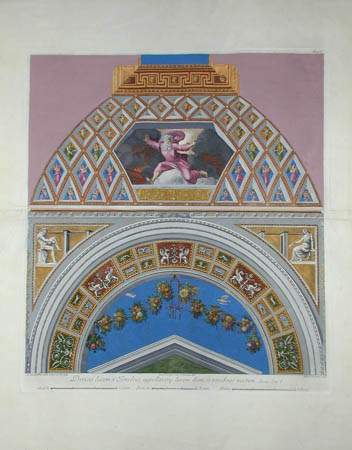
Raphael’s depiction of the Division of Light and Darkness in the Loggia of the Vatican (often referred to as the Raphael Bible) represents the very beginning of time and creation, establishing the first 24-hour cycle of day and night. This fresco is illustrated in a brilliantly colored 18th-century engraving from Loggia of Raphael in the Vatican, Rome, 1770s. More information.

WHEN GIANTS ROAMED THE EARTH

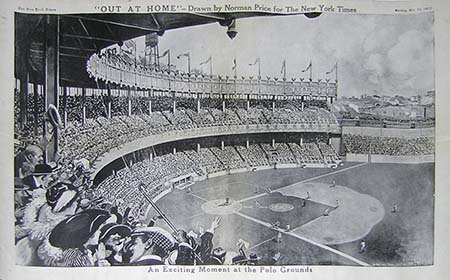
Spring training for baseball is in full swing. Opening day of the 2026 MLB season begins at night on March 25 when the San Francisco Giants host the Yankees. Travel back in time to the New York Giants baseball team in Out at Home, An Exciting Moment at the Polo Grounds, a large print from 1912. In this stadium-wide view—from the perspective of fans high in the stands—a runner is shown being tagged out at home. The fourth Polo Grounds, between West 157th and 159th Streets in Manhattan, opened June 18, 1911, and was demolished on April 10, 1964. More information.

TIME AND TIDE WAIT FOR NO MAN

MANY MOONS AGO

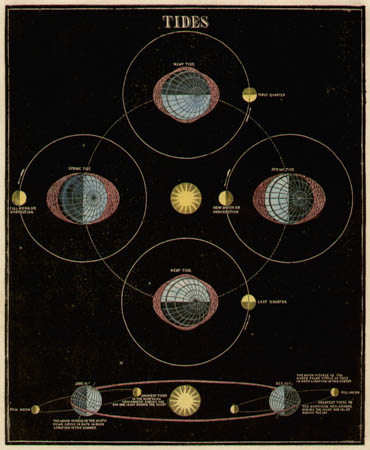
Various aspects of Tides are shown in a hand-colored Victorian astronomy print by Asa Smith. These include how the alignment of the Sun and Moon results in higher "spring" tides or lower "neap" tides. The various phases of the Moon as it revolves around the Earth correlate to the changing tidal cycles. Numerous other prints from the series showing other aspects of astronomy, with a particular focus on the solar system, are available as shown here. More information.

SPRING HAS SPRUNG

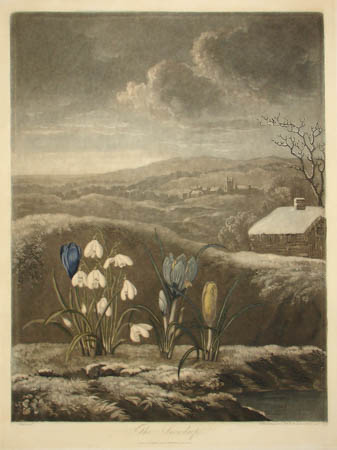
It’s almost springtime. That means it is time for the snowdrop—frequently the first outdoor plant to flower after winter—to emerge. In this hand-colored mezzotint from Dr. Robert John Thornton’s Temple of Flora—the greatest British botanical set ever produced—this plant is shown poking out of a hilly rural landscape covered with frost. The composition also includes blooming colorful crocus plants, which are also early harbingers of spring. Indeed, as of March 19th, the date of this enewsletter, the snowdrops and crocuses are already out in the Shakespeare Garden in Central Park! More information.

World Wildlife – February 2026

World Wildlife, February 2026 Specials

In this issue: We commemorate World Wildlife Day, March 3, with special gallery offerings for our premier clients. These artworks range from the beautiful — colorful hummingbirds and luscious lemons — to the sublime, in an intense encounter of a wild horse with a lion and in a wild buffalo hunt in the old American west. Cartographic offerings include a Zootopia of animal constellations in a celestial chart and a globe, busy beavers in Oregon, and spouting whales in the waters off Nantucket.

Contact us for further assistance and gift selection ideas relating to any profession or pastime. Availability of items below subject to prior sale. You can also view them on our website.

Each item is also specially curated for perfect gift giving for the early Holiday shopper.

Contact us for further assistance and gift selection ideas.
As featured in our latest eNewsletters — subscribe now.
Availability of items below subject to prior sale.

Sale prices in effect through March 20, 2026.

WILD HORSES COULDN'T DRAG ME AWAY

HYPER-SUBLIME SPECTACLE

The Horse and Lion is a fine late 18th century mezzotint after a painting by the renowned British horse artist George Stubbs from a series or works in which he depicted horses stalked and attacked by lions. They served as a foundational exploration of the sublime, relating to the theories of Stubb’s contemporary, Edmund Burke shifting the perception of wildlife from mere scientific specimens to embodiments of terror, power, and raw emotion. Regularly $5,500, sale price $4,400.  More information.

LIVING IN THE WILD WILD WEST

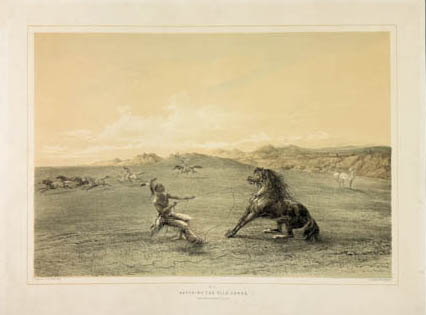
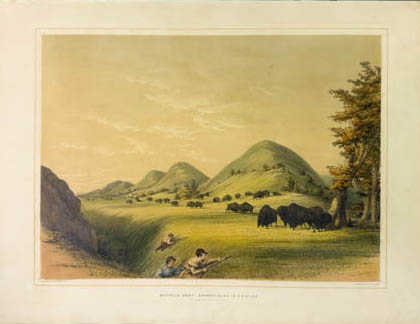
A Native American attempts to control a lassoed wild horse in a hand-colored lithograph from George Catlin’s celebrated North American Indian Portfolio, published in London in 1844. In another print from the set, three hunters furtively stalk a grazing herd of wild bison on the Upper Missouri, using the ravine's terrain to hide. Regularly $3,500 each; sale price $2,975 each. More information.

LIVING IN THE WILD WILD WEST

A Native American attempts to control a lassoed wild horse in a hand-colored lithograph from George Catlin’s celebrated North American Indian Portfolio, published in London in 1844. In another print from the set, three hunters furtively stalk a grazing herd of wild bison on the Upper Missouri, using the ravine's terrain to hide. Regularly $3,500 each, sale price $2,975 each. More information.

ZOOTOPIA IN THE SKY

STAR STRUCK MAP

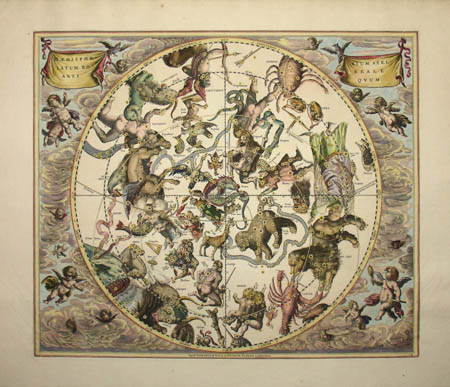
A veritable zoo of animal images is contained in Andreas Cellarius’ celestial map Haemisphaerium Stellatum Boreale Antiquum (Schenk & Valk, Amsterdam: 1708). This hand colored engraving includes the Camelopardalis constellation represented as a giraffe. As suggested by the Greek origin of this name, it was thought to resemble a camel and leopard. Zodiac animals include Aries the ram; Taurus, the bull, and Scorpius, the scorpion in stunning red. Price for our enews customers reduced $5,750 to $4,800. More information.

STAR-STUDDED GLOBE

Constellation animals are shown in simple light blue lines against a dark blue background in our 12-inch Rand McNally celestial globe (Chicago: 1960s). Yellow stars vary in sizes relative to magnitude of brightness. Mythological animals include Pegasus, the immortal winged white horse of Greek mythology known for aiding the hero Bellerophon in defeating the Chimera and later serving Zeus by carrying his thunderbolts to Olympus. Regularly $800, now $675. More information.
FREQUENT FLIERS

BUFF-BELLIED BIRD

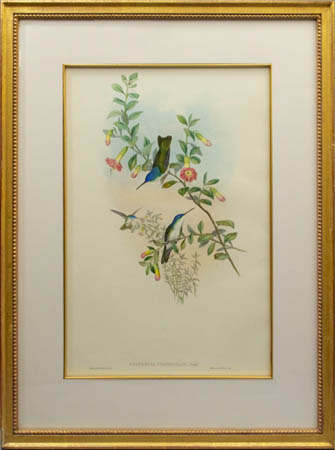
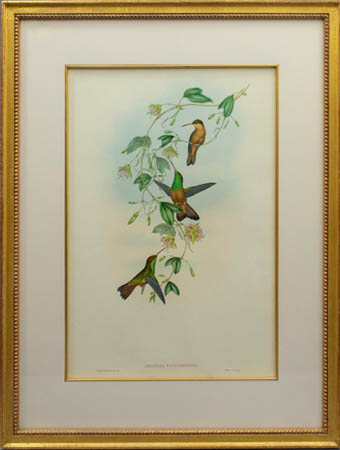
Amazilia yucatanensis — known as the buff-bellied hummingbird — is illustrated in a fine hand-colored lithograph from John Gould’s A Monograph of the Trochilidae (London, 1849-1887). This species is a native to the coastal regions of Mexico and also breeds in the southernmost tip of Texas. The print is one of a pair handsomely presented in in gilt frames. The other is Cyanomyia cyanocollis, commonly known as the Azure-crowned Hummingbird. Regularly $3,500, the pair; sale price $2,975. More information.

REAL NIGHT OWLS

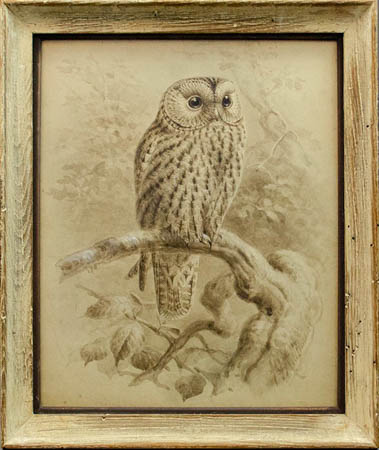
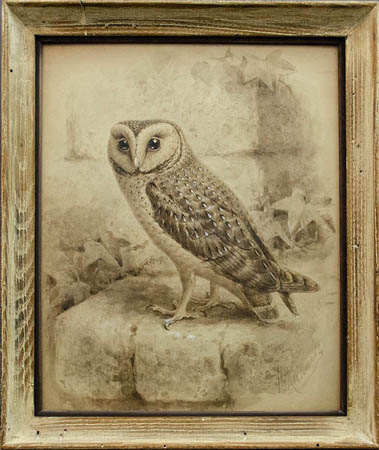
A handsome pair of detailed original watercolor studies of owls by John Gerrard Keulemans (1842-1912) one of the pre-eminent European bird artists of the late 19th and early 20th centuries. One owl is perched on a branch, the other on a stone ledge. They are framed in rustic style, painted, distressed wood frames with dark fillets. Regularly $6,250, but in deference to World Wildlife Day, $5,300, the pair. More information.
EVEN MOOR BIRDS

A mezzotint of two moor hens shows their typical behavior in their natural environment of the marshy waters of a lake. One paddles in the water while the other is somewhat whimsically portrayed upended, feeding in the water with its head submerged and the motion of its waving feet echoed by the marsh grasses. The print is skillfully engraved by the eminent British artist Charles A.E. Turner, with a rich and subtle tonal range. Regularly $750, now $650. More information.
LEMON TREE, VERY PRETTY

IMMORTALITY WITH LEMONS

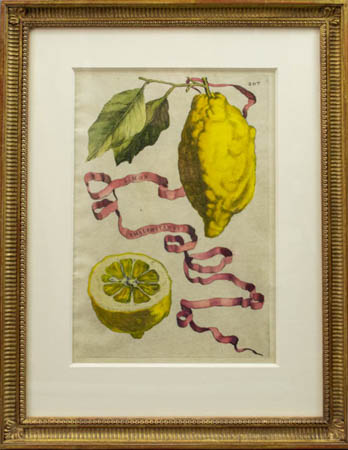
Lemon trees provide food, shelter and nesting sites for various wild animals and insects. Early varieties dating to the mid 17th century are beautifully rendered in Giovanni Battista Ferrari’s Hesperides, or Concerning the Cultivation and Uses of the Golden Apples — a reference to the Greek goddess Hera's mythical, idyllic orchard located at the western edge of the world, famous for producing fruits that granted immortality. Shown here is one of a set of six, each in a fabulous custom gold leaf frame with custom corners. Regularly $1,500 each, sale price $1,250 each. We also offer unframed prints from this series. More information.
BIZZARIA OF FLORENCE

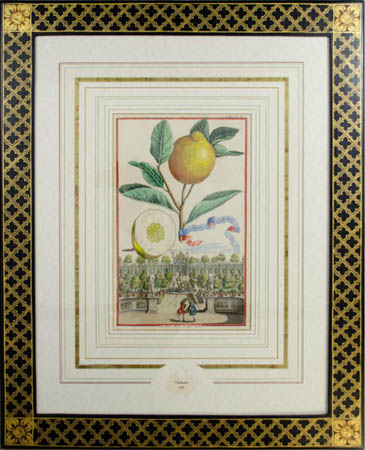
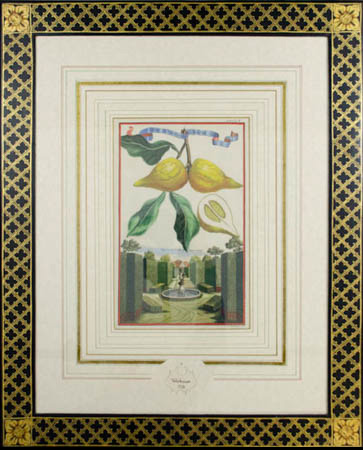
What do you get when you cross a Florentine citron with a sour orange? Bizzarria of Florence of course. This fruit is featured in one of two early 18th-century German botanical lemon prints from Volckamer’s Nurnbergische Hesperides, The companion print is a lemon shown in a landscape view of the garden of one Doctor Schober. In fabulous custom frames, specially priced $3,500 the pair. We also offer unframed prints from this series. More information.
 

ANIMAL MAGNETISM — MAPS OF IRRESISTIBLE APPEAL

EAGER BEAVERS OF OREGON

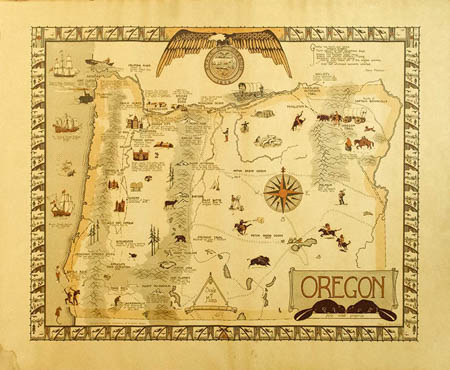
A pair of beavers decorate the cartouche of a rare pictorial map of Oregon by Doris Wildman (American Association of University Women: 1929). The rich wildlife of the state is represented in images of buffalo, bears, and even a seahorse. This rare map is particularly desirable as an example the work of a woman cartographer. Regularly $2,250, now $1,850. More information.

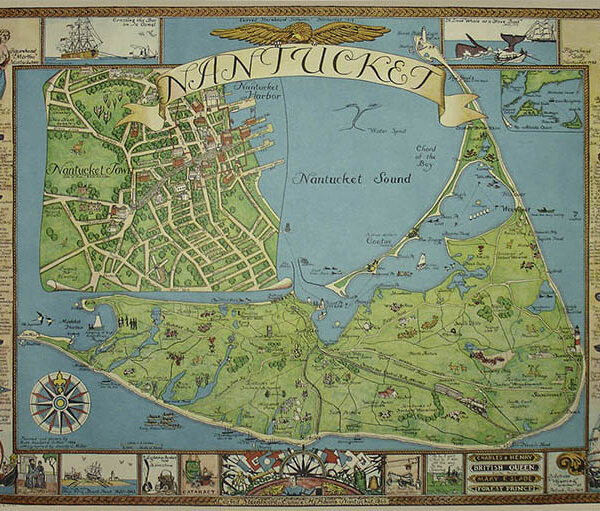
HAVE A WHALE OF A TIME IN NANTUCKET

The local flora and fauna of Nantucket are illustrated in Ruth Haviland Sutton’s pictorial map of Nantucket, originally issued in 1946 and later revised. Notably, it features whales as part of a heavily themed, nostalgic focus on the island's maritime and whaling history. Illustrations include an oversized "Nantucket Whaleship," and whales and traditional ships in the surrounding waters. Priced $1,350 this March, leaving enough time to get it ready for the summer house this year. More information.